Advanced Regenerative Treatment for Orthopedic Conditions
Regenerative Treatment for Joint and Bone Conditions
Stem cell therapy is an advanced regenerative medical approach used to support the repair of damaged tissues in joints, bones, and cartilage. In orthopedic care, stem cells help stimulate the body's natural healing process by promoting the regeneration of healthy cells. This therapy is increasingly considered for patients who experience persistent joint pain, cartilage damage, or early degenerative conditions that affect mobility.
At Ravi Ortho & Multispecialty Clinic, patients receive specialized care for orthopedic conditions through modern treatment methods guided by Dr. J. R. Aakash Kannauh, MBBS., MS Ortho., DNB Ortho. Individuals searching for Stem Cell Therapy in Perambur often visit the clinic for conditions such as early arthritis, cartilage injuries, joint degeneration, or sports-related damage. As an experienced Stem Cell Therapy doctor near Perambur, the focus is on evaluating each patient carefully and recommending regenerative treatment options that support joint health and mobility.
Key aspects of stem cell therapy
- Regenerative treatment for joint and cartilage damage
- Support for healing in orthopedic conditions
- Minimally invasive therapeutic procedure
- Personalized evaluation before treatment
- Rehabilitation guidance for recovery
Signs Your Joints May Need Regenerative Treatment
Many orthopedic conditions begin with mild symptoms such as joint stiffness or discomfort during movement. Over time, these symptoms may gradually worsen and interfere with daily activities. Patients often search for advanced treatment options when conventional therapies such as medication or physiotherapy provide only temporary relief.
Consulting the best Stem Cell Therapist in Perambur allows patients to receive a thorough evaluation to determine whether regenerative therapy may be beneficial. Early assessment is particularly important for individuals experiencing joint degeneration at a younger age, as early treatment may help support tissue repair and reduce further damage.
Common symptoms that require evaluation
- Persistent joint pain during movement
- Stiffness after long periods of rest
- Reduced flexibility in affected joints
- Swelling around joints or cartilage areas
- Difficulty performing regular physical activities
Conditions That May Be Treated Using Stem Cell Therapy
Stem cell therapy is used in orthopedic medicine to support healing in a variety of musculoskeletal conditions. These include problems affecting cartilage, tendons, ligaments, and joint structures. The treatment aims to improve tissue regeneration and help reduce inflammation that contributes to pain and stiffness.
Patients seeking Stem Cell Therapy for orthopedic conditions often explore this treatment when joint degeneration or injuries limit their ability to remain active. Regenerative therapy may help support the body's natural healing response while improving joint function.
Conditions commonly treated
- Early osteoarthritis in joints
- Cartilage damage in knees or hips
- Ligament injuries affecting joint stability
- Tendon injuries from sports or overuse
- Chronic joint inflammation
Early Arthritis in Young Patients Treated by Stem Cell Therapy
Arthritis is commonly associated with older adults, but in some cases younger individuals may also develop early joint degeneration. Early arthritis can occur due to injuries, genetic factors, or excessive strain on joints during sports or physical activity. If not treated properly, the condition may gradually affect cartilage and joint movement.
Stem cell therapy has emerged as a regenerative option for managing early arthritis in young patients. By introducing regenerative cells into the affected joint, doctors aim to support cartilage repair and reduce inflammation. Patients consulting the best Stem Cell Therapy Doctor near Perambur for early arthritis receive careful evaluation to determine whether regenerative therapy is suitable for their condition.
Benefits of early treatment
- Supports cartilage repair in affected joints
- Helps reduce inflammation and joint stiffness
- Encourages natural tissue regeneration
- May delay progression of arthritis
- Improves joint flexibility and movement
When to Consider Stem Cell Therapy for Joint Problems
Stem cell therapy is usually considered when conservative treatments such as medication, physiotherapy, or lifestyle changes do not provide sufficient relief. Patients with persistent joint pain or cartilage damage may explore regenerative treatment as part of their orthopedic care plan.
Individuals visiting an orthopedic clinic offering Stem Cell Therapy in Perambur undergo a detailed evaluation before treatment is recommended. Doctors assess the severity of joint damage, medical history, and overall health to determine whether regenerative therapy can provide meaningful benefits.
Situations where stem cell therapy may be recommended
- Persistent joint pain despite conservative treatment
- Early cartilage degeneration in joints
- Sports injuries affecting ligaments or tendons
- Early arthritis affecting mobility
- Patients seeking regenerative orthopedic treatment
How Stem Cell Therapy Works in Orthopedic Treatment
Stem cell therapy works by using specialized cells that have the ability to develop into different types of tissues within the body. In orthopedic medicine, these regenerative cells help stimulate the repair of damaged cartilage, tendons, ligaments, and joint tissues. When introduced into an affected joint or injured area, stem cells support the body's natural healing process and may help improve tissue regeneration.
Patients seeking Stem Cell Therapy in Perambur for orthopedic problems often consider this treatment when joint degeneration or injuries limit mobility. By promoting the regeneration of healthy cells, stem cell therapy may help reduce inflammation, improve joint function, and support long-term musculoskeletal health.
Key mechanisms of stem cell therapy
- Supports regeneration of damaged cartilage and tissues
- Helps reduce inflammation inside joints
- Encourages natural healing in injured areas
- Improves joint flexibility and movement
- Assists recovery in orthopedic conditions
Stem Cell Therapy for Knee Arthritis and Cartilage Damage
Knee arthritis is one of the most common conditions affecting joints, especially in individuals with previous injuries or cartilage wear. When cartilage begins to deteriorate, the joint may become painful, stiff, and less flexible. Early stages of arthritis can significantly affect mobility if not addressed properly.
Regenerative treatment using stem cells may help support cartilage repair and reduce joint inflammation. Patients consulting the best Stem Cell Therapy Doctor near Perambur for knee problems often explore this therapy as a way to manage symptoms and improve joint health before considering major surgical procedures.
Benefits for knee joint conditions
- Helps support cartilage repair in the knee joint
- May reduce inflammation and swelling
- Improves joint mobility and flexibility
- Supports recovery from cartilage injuries
- Helps maintain active movement
Stem Cell Therapy for Sports Injuries
Sports activities can sometimes lead to injuries involving ligaments, tendons, or joint structures. These injuries may occur due to sudden impact, overuse, or repetitive stress on joints. While many sports injuries heal with rest and physiotherapy, some cases require advanced treatment to support proper recovery.
Patients receiving Stem Cell Therapy for orthopedic conditions may benefit from regenerative treatment when ligament or tendon injuries affect long-term performance. By promoting tissue repair, stem cell therapy can support healing and help athletes return to their activities safely.
Common sports injuries treated
- Ligament injuries in the knees or ankles
- Tendon inflammation caused by overuse
- Cartilage injuries from impact
- Joint instability after sports trauma
- Muscle and connective tissue injuries
Stem Cell Therapy for Joint Degeneration
Joint degeneration occurs when cartilage and joint tissues gradually break down over time. This process may develop due to aging, injuries, or long-term stress on joints. When degeneration begins early, patients may experience stiffness, discomfort, or reduced movement during daily activities.
Regenerative therapy may help manage early joint degeneration by encouraging the body's natural repair mechanisms. Patients seeking care from the best Stem Cell Therapist in Perambur often explore this treatment as a supportive option to improve joint health and maintain mobility.
Key advantages of regenerative therapy
- Supports healing of damaged joint tissues
- Helps improve joint flexibility
- Reduces inflammation associated with degeneration
- Encourages tissue regeneration
- May delay progression of joint damage
Benefits of Stem Cell Therapy for Orthopedic Conditions
Stem cell therapy offers a modern approach for treating orthopedic problems that involve damaged tissues or early degenerative changes. Unlike traditional treatments that mainly focus on symptom relief, regenerative therapy aims to support tissue repair and improve joint function.
Patients considering Stem Cell Therapy in Perambur often look for treatment options that can help maintain active movement while minimizing the need for major surgical procedures. Proper evaluation by an experienced Stem Cell Therapy doctor near Perambur helps determine whether regenerative therapy is suitable for each individual condition.
Potential benefits of stem cell therapy
- Supports regeneration of damaged joint tissues
- Minimally invasive compared to major surgery
- May improve joint mobility and comfort
- Helps reduce inflammation in affected joints
- Encourages natural healing processes
How Stem Cell Therapy Procedure Is Performed
Stem cell therapy for orthopedic conditions is a carefully planned medical procedure designed to support tissue repair and regeneration. Before the treatment begins, doctors evaluate the patient's condition using clinical examination and imaging tests. This helps identify the exact location of joint or tissue damage and ensures that the treatment approach is suitable for the patient.
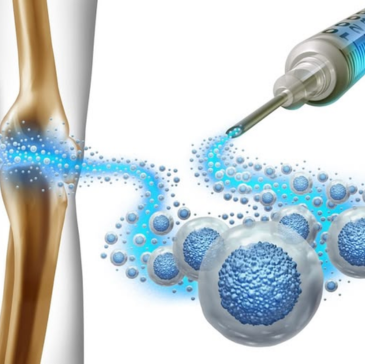
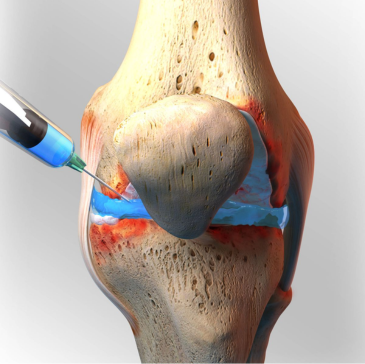
During the procedure, stem cells are collected from a safe source within the patient's body and then prepared for therapeutic use. These regenerative cells are carefully injected into the affected joint or injured tissue. Patients undergoing Stem Cell Therapy in Perambur receive treatment that focuses on stimulating the body's natural healing response and improving joint function.
Key steps involved in the procedure
- Clinical evaluation and imaging before treatment
- Collection of stem cells from the patient's body
- Preparation of regenerative cells for therapy
- Targeted injection into the affected joint or tissue
- Post-procedure observation for patient safety
Preparing for Stem Cell Therapy
Proper preparation helps ensure that stem cell therapy is performed safely and effectively. Before treatment, doctors review the patient's medical history and evaluate the severity of the orthopedic condition. Diagnostic tests may be recommended to assess joint health and confirm whether regenerative therapy is suitable.
Patients visiting an orthopedic clinic providing Stem Cell Therapy in Perambur also receive guidance on lifestyle adjustments and medication instructions before the procedure. These preparations help optimize treatment results and ensure a smooth treatment experience.
Preparation steps before treatment
- Review of the patient's medical history
- Imaging tests to evaluate joint or tissue damage
- Discussion of treatment goals with the doctor
- Guidance on medications before the procedure
- Instructions for the treatment day
Recovery After Stem Cell Therapy
Recovery after stem cell therapy varies depending on the condition being treated and the area of the body involved. Most patients can return to normal daily activities within a short period, although strenuous physical activity may be limited temporarily to allow the treated tissues to heal properly.
Patients treated by the best Stem Cell Therapy Doctor near Perambur usually receive personalized recovery guidance. Follow-up visits allow doctors to monitor healing progress and ensure that the regenerative treatment is supporting tissue repair effectively.
Important aspects of recovery
- Monitoring of healing progress after treatment
- Gradual return to physical activities
- Follow-up consultations with the doctor
- Guidance on joint protection during recovery
- Physiotherapy when required
Safety and Medical Monitoring During Treatment
Stem cell therapy is performed under controlled medical conditions to ensure patient safety. Doctors carefully evaluate whether a patient is suitable for regenerative treatment before recommending the procedure. This evaluation helps reduce potential risks and ensures that treatment is appropriate for the specific orthopedic condition.
After the procedure, patients are monitored to ensure that the injection site heals properly and that the therapy is progressing as expected. Individuals seeking care from the best Stem Cell Therapist in Perambur receive professional guidance throughout the treatment and recovery process.
Safety measures during treatment
- Detailed medical evaluation before therapy
- Use of sterile medical procedures
- Careful monitoring after the injection
- Follow-up visits to track treatment response
- Guidance for safe recovery at home
Rehabilitation After Stem Cell Therapy
Rehabilitation plays an important role after stem cell therapy because the treated tissues need time to regenerate and regain strength. Once the initial healing phase begins, doctors may recommend guided physiotherapy exercises that help restore joint movement and muscle support around the affected area.
Patients receiving Stem Cell Therapy in Perambur are usually advised to follow a gradual rehabilitation program. These exercises help improve flexibility, strengthen surrounding muscles, and allow the treated joint to function more comfortably during everyday activities.
Key components of rehabilitation
- Gentle mobility exercises for affected joints
- Strength-building activities for surrounding muscles
- Gradual return to regular physical activities
- Monitoring of joint function during recovery
- Personalized physiotherapy guidance
Maintaining Joint Health After Regenerative Treatment
After stem cell therapy, maintaining joint health becomes essential for long-term improvement. Healthy lifestyle habits can help protect joints and support the regeneration process stimulated by the treatment. Proper joint care may also help prevent further degeneration.
Patients who undergo Stem Cell Therapy for orthopedic conditions are often guided on how to maintain joint stability and overall musculoskeletal health. Regular medical follow-ups help ensure that the joint continues to heal and function properly.
Helpful practices for joint health
- Maintain a healthy body weight to reduce joint stress
- Follow recommended physiotherapy exercises
- Avoid excessive strain on affected joints
- Maintain an active lifestyle with moderate activity
- Seek medical evaluation for recurring joint pain
Why Choose Ravi Ortho & Multispecialty Clinic for Stem Cell Therapy in Perambur
Choosing the right clinic is important when considering regenerative treatments such as stem cell therapy. Proper diagnosis, careful patient selection, and medical expertise are essential to ensure that regenerative procedures are safe and effective. Patients looking for Stem Cell Therapy in Perambur often prefer clinics that provide comprehensive orthopedic evaluation and personalized treatment planning.
At Ravi Ortho & Multispecialty Clinic, stem cell therapy is offered as part of a complete orthopedic care approach under the guidance of Dr. J. R. Aakash Kannauh, MBBS., MS Ortho, DNB Ortho. As an experienced Orthopedic Surgeon and Stem Cell Therapy Doctor near Perambur, the focus is on identifying the root cause of joint problems and recommending regenerative treatment only when it is medically appropriate. Each patient receives individualized attention to ensure the treatment supports long-term joint health and mobility.
Reasons patients choose our clinic
- Experienced orthopedic specialist with expertise in regenerative treatments
- Detailed evaluation before recommending stem cell therapy
- Personalized treatment plans based on joint condition
- Modern techniques used for regenerative orthopedic care
- Follow-up monitoring and rehabilitation guidance
Common Joint Symptoms and Regenerative Treatment Overview
| Symptom | Possible Condition | Treatment Approach |
|---|---|---|
| Persistent knee pain | Early osteoarthritis | Stem cell therapy and physiotherapy |
| Joint stiffness after rest | Cartilage degeneration | Regenerative joint treatment |
| Swelling after a sports injury | Ligament or tendon injury | Stem cell therapy and rehabilitation |
| Reduced joint mobility | Cartilage damage | Regenerative injection therapy |
| Chronic joint inflammation | Early arthritis | Stem cell therapy with medical monitoring |
This overview helps patients searching for Stem Cell Therapy in Perambur understand how common joint symptoms may relate to orthopedic conditions and how regenerative treatment may support recovery.
Supporting Joint Repair and Long-Term Mobility
Stem cell therapy represents an advanced approach in orthopedic care that focuses on supporting the body's natural healing ability. By encouraging the regeneration of damaged tissues, this treatment may help patients improve joint comfort and maintain mobility over time.
At Ravi Ortho & Multispecialty Clinic, regenerative orthopedic care is guided by Dr. J. R. Aakash Kannauh, MBBS., MS Ortho, DNB Ortho. Patients seeking Stem Cell Therapy in Perambur receive careful evaluation and personalized treatment plans aimed at improving joint health and supporting long-term mobility.
If you are experiencing persistent joint pain, stiffness, or early signs of arthritis, seeking medical evaluation may help determine whether regenerative treatment is suitable.
Contact Ravi Ortho & Multispecialty Clinic to schedule a consultation with the best Stem Cell Therapy Doctor near Perambur.
Frequently Asked Questions About Stem Cell Therapy
What is stem cell therapy used for in orthopedic treatment?
Stem cell therapy is used to support healing in orthopedic conditions such as cartilage damage, early arthritis, ligament injuries, and tendon problems. The treatment aims to promote tissue regeneration and improve joint function.
Is stem cell therapy effective for early arthritis in young patients?
Stem cell therapy may be considered for early arthritis in younger patients when joint degeneration begins at an early stage. The regenerative cells may help support cartilage repair and reduce inflammation in affected joints.
Is stem cell therapy a surgical procedure?
Stem cell therapy is usually considered a minimally invasive procedure. The regenerative cells are injected directly into the affected joint or tissue, which helps stimulate healing without requiring major surgery.
How long does it take to see results after stem cell therapy?
Recovery time varies depending on the condition being treated. Some patients may notice improvement in joint comfort and mobility within a few weeks, while others may experience gradual improvement as tissues regenerate.
Who should consider stem cell therapy for joint problems?
Patients experiencing early joint degeneration, cartilage damage, or persistent orthopedic injuries may consider consulting the best Stem Cell Therapist in Perambur to determine whether regenerative treatment is appropriate.

