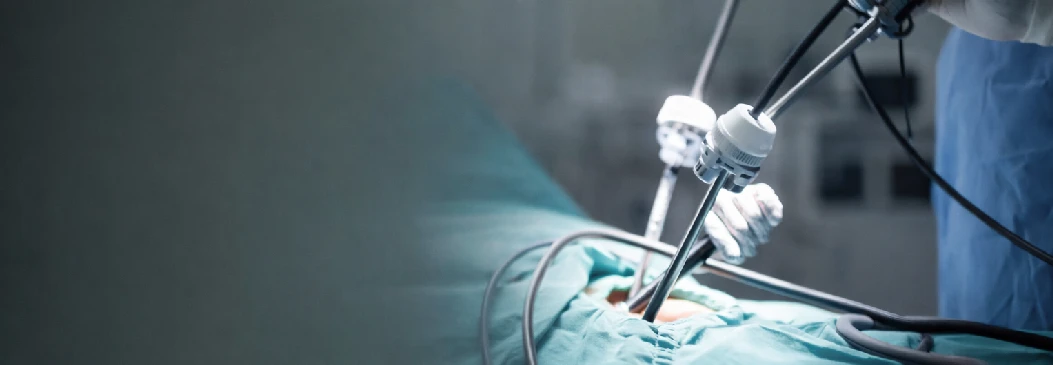
Advanced Minimally Invasive Orthopaedic Procedures
Arthroscopic surgery, often referred to as keyhole surgery, is a minimally invasive orthopaedic procedure used to diagnose and treat joint problems through small surgical incisions. This advanced technique allows doctors to examine and repair structures inside the joint using a specialized camera called an arthroscope and precision surgical instruments. Compared to traditional open surgery, arthroscopic procedures generally involve smaller incisions, less tissue damage, and faster recovery.
At Ravi Ortho & Multispecialty Clinic, arthroscopic surgery is performed to treat a range of joint conditions affecting the knee, shoulder, and other joints. These minimally invasive procedures help restore joint stability, repair damaged ligaments or cartilage, and improve overall joint function. Arthroscopy is commonly used in sports injuries and ligament reconstruction procedures to help patients regain mobility and return to normal physical activities.
The following section explains how arthroscopic techniques are used to perform ACL reconstruction surgery and restore stability to the injured knee joint.
Keyhole / Arthroscopic ACL Reconstruction in Perambur
The anterior cruciate ligament (ACL) is an important ligament that stabilizes the knee joint during activities such as running, jumping, and sudden direction changes. ACL injuries commonly occur during sports activities and may cause knee instability, swelling, and difficulty performing physical movements.
Arthroscopic ACL reconstruction is a minimally invasive surgical procedure used to restore knee stability after a ligament tear. During this procedure, a small camera is inserted into the knee joint through tiny incisions, allowing the surgeon to accurately reconstruct the damaged ligament using specialized instruments. This technique allows precise treatment while minimizing damage to surrounding tissues.
Procedure benefits include
- Minimally invasive surgery using small incisions
- Improved visualization of the knee joint
- Accurate reconstruction of the ACL ligament
- Reduced post-operative pain and faster recovery
- Early rehabilitation and return to physical activity
How Arthroscopic (Keyhole) Surgery Works
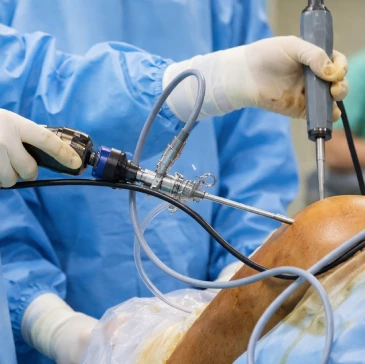
Arthroscopic surgery is a minimally invasive orthopaedic procedure that allows surgeons to examine and treat joint problems through very small incisions. A tiny camera known as an arthroscope is inserted into the joint, providing a clear view of the internal structures on a monitor. Specialized surgical instruments are then used to repair damaged tissues such as ligaments, cartilage, or tendons.
Because the procedure uses small incisions instead of large surgical openings, there is less disruption to surrounding tissues. This technique allows for precise treatment of joint injuries while supporting quicker recovery and reduced post-operative discomfort.
Key aspects of the procedure include
- Small surgical incisions for joint access
- High-definition visualization of joint structures
- Precise treatment of ligament or cartilage injuries
- Reduced trauma to surrounding tissues
- Faster healing compared to traditional surgery
Conditions Treated with Arthroscopic Surgery
Arthroscopy is widely used in orthopaedics to treat various joint conditions that affect mobility and stability. The procedure helps doctors diagnose internal joint problems and perform targeted treatment without the need for large surgical incisions.
Common conditions treated with arthroscopy include ligament tears, cartilage injuries, joint inflammation, and sports-related injuries. The technique is particularly useful for knee and shoulder problems where accurate visualization of the joint is important for effective treatment.
Conditions commonly treated include
- ACL ligament injuries in the knee
- Meniscus cartilage tears
- Shoulder ligament or tendon injuries
- Joint inflammation and instability
- Sports-related joint injuries
Benefits of Keyhole Surgery Compared to Traditional Surgery
Keyhole surgery has become a preferred treatment method for many joint conditions because of its minimally invasive nature. Smaller incisions help reduce surgical trauma and often lead to a more comfortable recovery experience for patients.
Patients undergoing arthroscopic procedures typically experience shorter hospital stays and faster rehabilitation. The precise surgical approach also helps preserve healthy tissues around the joint while addressing the underlying injury.
Advantages of arthroscopic surgery include
- Smaller incisions and minimal scarring
- Reduced pain after surgery
- Lower risk of complications
- Faster recovery and rehabilitation
- Improved joint function and mobility
Recovery After Arthroscopic ACL Reconstruction
Recovery following arthroscopic ACL reconstruction focuses on restoring knee strength, stability, and flexibility. Rehabilitation programs are designed to gradually improve joint movement while protecting the reconstructed ligament during the healing process.
Physiotherapy plays an important role in recovery by strengthening the surrounding muscles and improving knee stability. With proper rehabilitation and medical guidance, many patients are able to return to sports or physical activity safely.
Recovery care includes
- Post-operative pain management and monitoring
- Physiotherapy for knee strengthening
- Gradual return to walking and daily activities
- Exercises to improve joint flexibility
- Ongoing evaluation of knee stability
Who May Need Arthroscopic Knee Surgery
Arthroscopic knee surgery may be recommended for individuals experiencing persistent knee pain, instability, or reduced movement caused by ligament injuries or cartilage damage. Patients who do not respond to conservative treatments such as medications or physiotherapy may benefit from minimally invasive surgical repair.
A detailed medical evaluation helps determine whether arthroscopy is the most appropriate treatment option. This evaluation considers the patient's symptoms, imaging results, and overall joint condition before recommending surgery.
Candidates may include
- Patients with ACL ligament tears
- Individuals with meniscus cartilage injuries
- Athletes with sports-related knee injuries
- Patients with persistent knee pain and instability
- Individuals who do not improve with conservative treatment
Preparation Before Arthroscopic ACL Reconstruction
Before undergoing arthroscopic ACL reconstruction, patients usually undergo a detailed clinical evaluation to assess knee stability, joint mobility, and overall health. Diagnostic imaging such as X-rays or MRI scans may be recommended to understand the extent of ligament damage and plan the surgical procedure.
Pre-surgical preparation also focuses on improving knee strength and reducing swelling before surgery. Doctors may advise specific exercises and medical guidance to prepare the knee joint for the reconstruction procedure and support smoother recovery.
Preparation steps may include
- Clinical evaluation of knee ligament injury
- Imaging assessment to evaluate joint structures
- Pre-operative strengthening exercises
- Swelling control and pain management
- Planning of rehabilitation after surgery
Arthroscopic Knee Surgery for Meniscus Injuries
Meniscus injuries are among the most common knee problems treated using arthroscopic techniques. The meniscus is a cartilage structure that cushions the knee joint and helps distribute body weight evenly across the joint surfaces. Damage to the meniscus may occur during sports activities or sudden twisting movements.
Arthroscopic treatment allows surgeons to repair or remove damaged cartilage through small incisions, preserving as much healthy tissue as possible. This minimally invasive approach helps restore joint movement and reduce pain while protecting the long-term function of the knee joint.
Meniscus treatment includes
- Evaluation of knee cartilage injuries
- Arthroscopic repair of damaged meniscus tissue
- Removal of torn cartilage fragments when necessary
- Restoration of knee joint movement
- Rehabilitation exercises for knee strength
Arthroscopic Treatment for Shoulder Joint Injuries
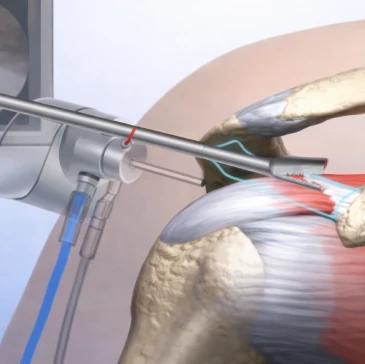
Arthroscopy is also commonly used to treat injuries affecting the shoulder joint. Shoulder injuries may involve ligament damage, tendon tears, or joint instability caused by repetitive overhead movements or sports activities.
Using small incisions and specialized instruments, surgeons can examine and repair structures within the shoulder joint. Arthroscopic shoulder procedures help restore stability, improve movement, and relieve pain associated with joint injuries.
Shoulder arthroscopy care includes
- Diagnosis of ligament and tendon injuries
- Treatment of shoulder joint instability
- Repair of damaged soft tissues within the joint
- Pain relief and restoration of shoulder movement
- Rehabilitation for improved shoulder strength
Importance of Rehabilitation After Arthroscopic Surgery
Rehabilitation plays a vital role in ensuring successful recovery after arthroscopic procedures. Once the joint begins to heal, guided physiotherapy helps restore muscle strength, flexibility, and joint stability.
Rehabilitation programs are carefully structured to allow gradual improvement in mobility without placing excessive stress on the healing tissues. Proper rehabilitation also helps reduce the risk of re-injury and supports safe return to physical activity.
Rehabilitation support includes
- Strengthening exercises for surrounding muscles
- Joint mobility and flexibility training
- Gradual progression of physical activity
- Monitoring recovery progress
- Guidance for injury prevention
Long-Term Benefits of Arthroscopic Joint Surgery
Arthroscopic surgery provides long-term benefits for patients suffering from ligament injuries, cartilage damage, or joint instability. The minimally invasive approach helps preserve healthy tissues while effectively treating the underlying problem within the joint.
With proper surgical care and rehabilitation, patients often experience improved joint stability, reduced pain, and better overall mobility. These improvements allow individuals to return to daily activities, sports, or physical work with greater confidence.
Long-term benefits include
- Improved joint stability and function
- Reduced chronic joint pain
- Better mobility and flexibility
- Faster recovery compared to open surgery
- Lower risk of long-term joint complications
Common Conditions Treated with Arthroscopic Surgery
| Joint Condition | Affected Joint | Arthroscopic Treatment Purpose |
|---|---|---|
| ACL Ligament Tear | Knee joint | Reconstruction of the torn ligament to restore stability |
| Meniscus Cartilage Tear | Knee joint | Repair or removal of damaged cartilage |
| Shoulder Ligament Injury | Shoulder joint | Stabilization and repair of injured ligaments |
| Joint Inflammation | Knee or shoulder | Removal of inflamed tissue causing pain |
| Sports-Related Joint Injury | Knee or shoulder | Diagnosis and minimally invasive treatment of joint damage |
Benefits of Arthroscopic (Keyhole) Surgery
| Benefit | Explanation | Patient Advantage |
|---|---|---|
| Minimally invasive procedure | Uses very small incisions | Less tissue damage |
| Reduced surgical pain | Smaller incisions cause less trauma | More comfortable recovery |
| Faster healing time | Minimal disruption to surrounding tissues | Earlier return to activities |
| Improved joint visualization | Camera allows precise diagnosis | Accurate treatment of joint injuries |
| Lower complication risk | Reduced infection and surgical trauma | Safer procedure outcomes |
Arthroscopic Surgery vs Traditional Open Surgery
| Surgical Approach | Procedure Method | Recovery Experience |
|---|---|---|
| Arthroscopic Surgery | Small incisions with camera-guided instruments | Faster recovery and minimal scarring |
| Open Joint Surgery | Larger incision to access the joint | Longer recovery period |
| Tissue Impact | Minimal disturbance to surrounding tissues | Greater surgical trauma |
| Hospital Stay | Usually shorter recovery time | May require longer hospitalization |
| Rehabilitation | Early physiotherapy possible | Recovery may take longer |
Symptoms of ACL Tear in the Knee
An ACL tear is a common knee ligament injury often seen during sports activities that involve sudden stopping, jumping, or rapid changes in direction. The anterior cruciate ligament helps stabilize the knee joint, and when it is torn, the knee may become unstable and painful. Many patients report hearing or feeling a "popping" sensation in the knee at the time of injury.
After the injury, symptoms such as swelling, pain, and difficulty moving the knee may develop quickly. Early medical evaluation is important to determine the extent of ligament damage and prevent further injury to the knee joint.
Common symptoms of an ACL tear include
- Sudden popping sensation in the knee during injury
- Rapid swelling around the knee joint
- Pain while walking or bearing weight
- Knee instability or feeling that the knee may give way
- Reduced range of motion in the knee
When Do Doctors Recommend ACL Reconstruction Surgery?
ACL reconstruction surgery may be recommended when the ligament tear causes significant knee instability and affects daily activities or sports performance. The decision for surgery depends on several factors, including the severity of the injury, the patient's activity level, and whether the knee remains unstable during movement.
Patients who participate in sports or physically demanding activities may benefit from ACL reconstruction to restore knee stability and prevent additional joint damage. Proper evaluation and imaging tests help doctors determine whether surgical treatment is the most appropriate option.
ACL reconstruction may be recommended when
- The ACL ligament is completely torn
- Knee instability affects walking or physical activity
- Conservative treatment does not improve symptoms
- The patient wishes to return to sports activities
- Additional knee injuries such as meniscus damage are present
Restore Knee Stability and Return to Active Living
Arthroscopic ACL reconstruction and keyhole joint procedures provide an effective solution for treating ligament injuries and restoring knee stability. With minimally invasive techniques, patients can benefit from precise treatment, reduced surgical trauma, and faster rehabilitation. Early diagnosis and proper treatment play a vital role in protecting joint health and helping individuals return to their daily activities and sports safely.
If you are experiencing knee instability, pain after a sports injury, or symptoms of an ACL tear, consult the specialists at Ravi Ortho & Multispecialty Clinic. Schedule your consultation today for expert arthroscopic surgery and advanced ligament injury care in Perambur.
Frequently Asked Questions
What is arthroscopic ACL reconstruction surgery?
Arthroscopic ACL reconstruction is a minimally invasive procedure used to repair a torn anterior cruciate ligament in the knee using small incisions and specialized instruments.
What are the common symptoms of an ACL injury?
Common symptoms include a popping sensation during injury, knee swelling, pain while walking, joint instability, and difficulty moving the knee.
How long does recovery take after ACL reconstruction surgery?
Recovery time varies for each patient, but most individuals gradually return to normal activities within a few months with proper rehabilitation and physiotherapy.
Is arthroscopic surgery safer than open knee surgery?
Arthroscopic surgery is minimally invasive, involves smaller incisions, and typically results in less pain, faster recovery, and reduced surgical trauma compared to traditional open surgery.
When should I see a doctor for a knee ligament injury?
You should consult a doctor if you experience knee instability, severe pain, swelling, or difficulty walking after a sports injury or sudden knee movement.

