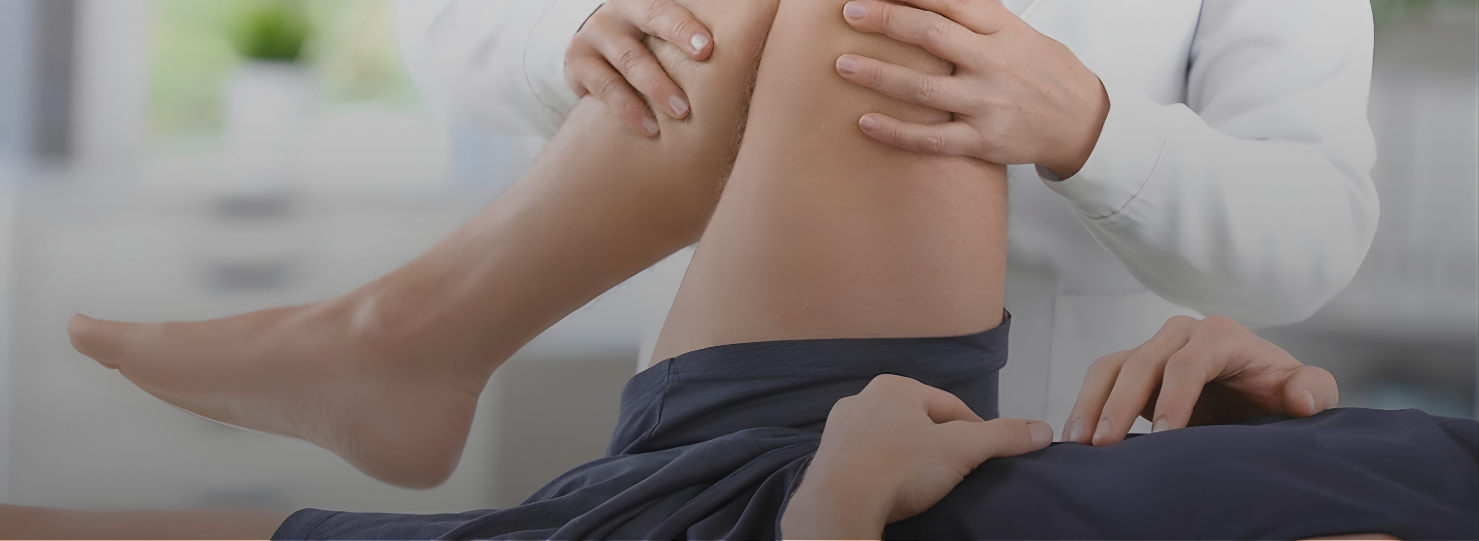
Advanced Conservative Care at Ravi Ortho & Multispecialty Clinic
Many orthopaedic conditions can be effectively managed without surgery through advanced conservative treatment methods. Injuries such as hairline fractures, joint pain, spinal conditions, and age-related musculoskeletal problems often respond well to non-surgical therapies when diagnosed early. Proper medical evaluation helps determine whether a condition can be treated through immobilization, targeted injections, pain management procedures, or rehabilitation therapies.
At Ravi Ortho & Multispecialty Clinic, we focus on providing safe and effective non-surgical orthopaedic care for patients experiencing bone injuries, joint problems, and spinal pain conditions. Our approach emphasizes pain relief, functional recovery, and improved mobility using modern non-operative treatment techniques. These methods help patients recover comfortably while avoiding surgical intervention whenever possible.
The following sections explain the common orthopaedic conditions that can be effectively treated through non-surgical methods and advanced pain management procedures.
Undisplaced / Hairline Fracture Treatment in Perambur
Hairline fractures, also known as undisplaced fractures, occur when the bone develops a small crack but remains properly aligned. These injuries often result from minor trauma, repetitive stress, or falls. Although the bone is not displaced, patients may experience localized pain, swelling, and tenderness around the injured area.
Most hairline fractures can heal successfully without surgery through proper immobilization and rest. Treatment focuses on stabilizing the injured bone, reducing stress on the affected area, and allowing the natural healing process to occur. Regular medical monitoring helps ensure the fracture heals correctly.
Treatment approach includes
- Diagnosis of minor bone cracks and stress fractures
- Immobilization of the injured area
- Pain relief and inflammation control
- Monitoring bone healing progress
- Gradual return to normal activity
POP (Plaster of Paris) Immobilization Treatment in Perambur
Plaster of Paris immobilization is commonly used to stabilize fractures and bone injuries that do not require surgical fixation. This method helps keep the injured bone in proper alignment while preventing movement that could interfere with healing.
The plaster cast supports the injured limb and protects the fracture during the healing period. Patients are regularly monitored to ensure the cast remains comfortable and the bone heals correctly. Once the bone regains strength, the cast is removed and rehabilitation begins.
POP treatment includes
- Stabilization of fractures using plaster cast
- Protection of injured bones during healing
- Prevention of movement that may worsen injury
- Monitoring cast condition and fracture recovery
- Guidance for safe removal and rehabilitation
Knee Pain in Elderly Patients (Non-Surgical Care)
Knee pain is a common concern among elderly individuals, often caused by joint degeneration, cartilage wear, or osteoarthritis. Many patients prefer conservative treatment options rather than surgery due to age, medical conditions, or personal preference.
Non-surgical knee treatment focuses on reducing inflammation, improving joint mobility, and relieving pain. Treatment may include medications, joint injections, lifestyle guidance, and physiotherapy to help patients maintain mobility and quality of life.
Conservative knee care includes
- Evaluation of age-related joint pain
- Non-surgical management of knee arthritis
- Pain relief and inflammation control
- Joint mobility improvement strategies
- Guidance for maintaining active movement
Knee Viscosupplementation Injections in Perambur
Viscosupplementation injections are used to treat knee joint pain caused by cartilage degeneration or osteoarthritis. The procedure involves injecting a lubricating substance into the knee joint to improve cushioning and reduce friction between bones.
This treatment helps improve joint movement, relieve pain, and support better mobility for patients with degenerative knee conditions. Viscosupplementation is often recommended for individuals who have persistent knee pain but wish to avoid surgical procedures.
Injection therapy benefits include
- Improved lubrication of the knee joint
- Reduction of joint friction and pain
- Enhanced knee mobility and flexibility
- Support for degenerative joint conditions
- Non-surgical option for knee pain relief
Non-Surgical Treatment for Low Back Pain in Perambur
Low back pain is one of the most common musculoskeletal conditions affecting adults. It may develop due to muscle strain, disc problems, nerve irritation, or spinal degeneration. Many patients can recover successfully without surgery through appropriate conservative treatment.
Non-surgical spine care focuses on relieving pressure on spinal structures, reducing inflammation, and restoring normal movement. Treatment options may include medication, physiotherapy, spinal injections, and lifestyle modifications.
Non-surgical spine care includes
- Evaluation of lumbar spine conditions
- Pain relief for muscle and nerve irritation
- Physiotherapy for spinal strengthening
- Posture correction and activity guidance
- Monitoring recovery without surgical intervention
Selective Nerve Root Block Treatment in Perambur
A selective nerve root block is a targeted injection procedure used to diagnose and treat nerve-related pain originating from the spine. The injection delivers medication directly around the affected nerve root, helping reduce inflammation and relieve nerve compression symptoms.
This procedure is commonly used for conditions such as sciatica, nerve irritation, or disc-related pain. By targeting the specific nerve responsible for pain, patients can experience significant relief and improved mobility.
Procedure benefits include
- Targeted treatment for nerve-related pain
- Reduction of nerve inflammation
- Relief from radiating leg or back pain
- Improved mobility and function
- Diagnostic support for spine conditions
Caudal Epidural Steroid Injection in Perambur
A caudal epidural steroid injection is a specialized pain management procedure used to treat chronic lower back pain and nerve compression conditions. The injection delivers anti-inflammatory medication into the epidural space near the lower spine.
This procedure helps reduce inflammation around spinal nerves, relieve pain, and improve mobility for patients suffering from conditions such as lumbar disc problems or spinal stenosis. It is commonly recommended for patients who do not respond adequately to medication or physiotherapy.
Injection therapy includes
- Treatment for chronic lower back pain
- Reduction of inflammation around spinal nerves
- Relief from nerve compression symptoms
- Improved mobility and daily function
- Non-surgical spine pain management option
Non-Surgical Management for Joint Pain in Perambur
Joint pain can occur due to cartilage wear, inflammation, overuse, or age-related degeneration. Conditions affecting the knee, shoulder, hip, or ankle joints may cause stiffness, swelling, and difficulty performing daily activities. Many patients benefit from conservative treatment methods that aim to relieve pain and improve joint function without surgical intervention.
Non-surgical management focuses on reducing inflammation, protecting joint structures, and improving mobility through medications, guided exercises, and supportive therapies. Early treatment helps maintain joint movement and slows the progression of degenerative joint conditions.
Treatment approach includes
- Evaluation of joint pain and mobility limitations
- Pain relief and inflammation control
- Joint protection and movement guidance
- Supportive therapies to improve function
- Monitoring long-term joint health
Conservative Treatment for Ligament and Soft Tissue Injuries in Perambur
Ligament sprains and soft tissue injuries are common after sports activities, sudden twisting movements, or minor trauma. These injuries can affect muscles, tendons, and supporting ligaments around joints, causing swelling, tenderness, and reduced movement.
Many soft tissue injuries heal successfully without surgery when treated early. Conservative treatment focuses on stabilizing the injured area, reducing inflammation, and gradually restoring strength and flexibility.
Soft tissue injury care includes
- Assessment of ligament sprains and tendon injuries
- Rest and stabilization of the affected joint
- Pain and swelling management
- Gradual strengthening and mobility exercises
- Monitoring recovery progress
Non-Surgical Treatment for Sciatica and Nerve Pain in Perambur
Sciatica occurs when irritation or compression affects the sciatic nerve in the lower spine. Patients often experience radiating pain from the lower back to the leg, along with numbness, tingling, or weakness. Early medical evaluation helps identify the underlying cause of nerve irritation.
Non-surgical treatment aims to relieve nerve pressure and reduce inflammation around the affected spinal structures. Conservative spine care may involve medications, targeted injections, physiotherapy, and posture correction to improve comfort and mobility.
Treatment methods include
- Evaluation of nerve compression symptoms
- Pain relief and anti-inflammatory treatment
- Physiotherapy to improve spinal strength
- Posture and activity modification guidance
- Monitoring improvement of nerve symptoms
Physiotherapy-Supported Orthopaedic Recovery in Perambur
Physiotherapy plays an important role in the recovery of musculoskeletal injuries and chronic pain conditions. Structured rehabilitation exercises help restore muscle strength, joint flexibility, and normal movement patterns after injury or prolonged pain.
A personalized physiotherapy plan supports gradual improvement in mobility while preventing stiffness or muscle weakness. When combined with medical care, rehabilitation therapy helps patients regain function and return to their daily activities safely.
Physiotherapy support includes
- Strengthening exercises for injured muscles and joints
- Improvement of joint flexibility and range of motion
- Posture correction and movement training
- Gradual restoration of mobility and balance
- Long-term recovery monitoring
Chronic Pain Management Without Surgery in Perambur
Chronic musculoskeletal pain can affect the back, joints, or surrounding soft tissues and may persist for months if not treated appropriately. Many patients benefit from non-surgical pain management approaches designed to control inflammation and improve functional movement.
Treatment focuses on identifying the source of pain and providing targeted therapies that reduce discomfort and improve daily activity levels. Conservative pain management allows patients to regain comfort and maintain quality of life without surgical procedures.
Pain management strategies include
- Identification of underlying pain causes
- Targeted pain relief therapies
- Supportive treatment for long-term conditions
- Guidance for lifestyle and activity modification
- Monitoring progress of pain control
Common Orthopaedic Conditions Managed Without Surgery
| Condition | Common Symptoms | Non-Surgical Treatment Approach |
|---|---|---|
| Hairline / Undisplaced Fracture | Localized pain, swelling, tenderness | Immobilization, rest, and monitoring bone healing |
| Knee Pain in Elderly | Joint stiffness, swelling, difficulty walking | Pain management, physiotherapy, and joint injections |
| Low Back Pain | Lower back discomfort, muscle stiffness, reduced movement | Medications, physiotherapy, posture correction |
| Sciatica or Nerve Pain | Radiating leg pain, numbness, tingling | Nerve block injections and conservative spine care |
| Ligament or Soft Tissue Injury | Swelling, joint instability, tenderness | Rest, stabilization, and rehabilitation exercises |
Non-Surgical Orthopaedic Procedures & Their Benefits
| Procedure | Purpose | Benefits |
|---|---|---|
| POP Immobilization | Stabilizes fractures and bone injuries | Supports proper bone healing |
| Knee Viscosupplementation Injection | Improves lubrication of knee joint | Reduces joint pain and stiffness |
| Selective Nerve Root Block | Targets inflamed spinal nerves | Relieves nerve-related back and leg pain |
| Caudal Epidural Steroid Injection | Reduces inflammation in lower spine | Helps relieve chronic lower back pain |
| Physiotherapy Rehabilitation | Strengthens muscles and joints | Improves mobility and recovery |
When Non-Surgical Treatment May Be Recommended
| Patient Condition | Reason for Non-Surgical Approach | Expected Outcome |
|---|---|---|
| Minor or stable fractures | Bone alignment remains intact | Natural bone healing with immobilization |
| Elderly patients with joint pain | Avoid surgical risks | Pain relief and improved joint function |
| Chronic back pain | Nerve irritation or disc inflammation | Reduced pain and better mobility |
| Mild ligament injuries | Soft tissue damage without instability | Gradual healing through rehabilitation |
| Degenerative joint conditions | Wear and tear of cartilage | Improved comfort and joint movement |
Symptoms That Can Often Be Treated Without Surgery
Many musculoskeletal conditions can be effectively managed without surgical procedures when diagnosed early. Patients experiencing joint pain, mild fractures, spinal discomfort, or nerve irritation may benefit from conservative treatment methods that focus on pain relief, reducing inflammation, and improving mobility. Early medical evaluation helps determine whether non-operative care is suitable for the condition.
Non-surgical treatment approaches aim to stabilize the affected area and allow the body to heal naturally while maintaining functional movement. Through targeted therapies, injections, and rehabilitation techniques, patients can often recover from orthopaedic conditions while avoiding surgical intervention.
Symptoms that may respond to non-surgical care include
- Mild or hairline fractures with stable bone alignment
- Knee pain related to cartilage wear or joint degeneration
- Low back pain caused by muscle strain or disc irritation
- Nerve-related pain radiating to the leg or arm
- Joint stiffness and reduced mobility due to inflammation
Benefits of Non-Surgical Orthopaedic Treatment
Non-surgical orthopaedic care focuses on relieving pain, improving joint function, and restoring mobility while avoiding invasive procedures. Many patients prefer conservative treatment methods because they involve shorter recovery periods and reduced risk compared to surgical intervention. With proper medical supervision, these treatments can effectively manage many orthopaedic conditions.
Advanced non-operative therapies such as joint injections, nerve blocks, spinal injections, physiotherapy, and immobilization techniques help control inflammation and support healing. These treatments allow patients to regain comfort and continue daily activities while addressing the underlying cause of the condition.
Key advantages of conservative treatment
- Avoids surgical risks and complications
- Shorter recovery time compared to surgery
- Effective pain relief and inflammation control
- Improved mobility through rehabilitation support
- Suitable for elderly patients or those avoiding surgery
Effective Orthopaedic Care Without Surgery
Many orthopaedic conditions can be successfully managed through non-surgical treatment when diagnosed and treated at the right time. Conservative approaches such as immobilization, targeted injections, pain management procedures, and rehabilitation therapies help relieve symptoms, improve mobility, and support natural healing while avoiding surgical intervention.
If you are experiencing persistent joint pain, back pain, nerve-related symptoms, or minor fractures, early medical evaluation can help determine the most appropriate treatment plan. Contact Ravi Ortho & Multispecialty Clinic today to receive expert non-surgical orthopaedic care and personalized treatment in Perambur.
Frequently Asked Questions
What orthopaedic conditions can be treated without surgery?
Many conditions such as hairline fractures, knee pain due to arthritis, low back pain, ligament injuries, and nerve-related pain can often be managed with conservative treatments, injections, and physiotherapy.
What is non-surgical orthopaedic treatment?
Non-surgical treatment focuses on managing bone, joint, and spine conditions using medications, immobilization, injections, and rehabilitation therapies without performing surgery.
How do knee injections help relieve joint pain?
Knee injections help lubricate the joint and reduce inflammation, which can improve movement and relieve pain caused by cartilage wear or degenerative joint conditions.
What treatments are available for chronic lower back pain without surgery?
Non-surgical treatments may include physiotherapy, medications, spinal injections, nerve blocks, and lifestyle modifications to reduce pain and improve mobility.
When should I see a doctor for joint or back pain?
You should consult a doctor if pain persists for several days, worsens with movement, or interferes with daily activities and mobility. Early treatment helps prevent complications.

