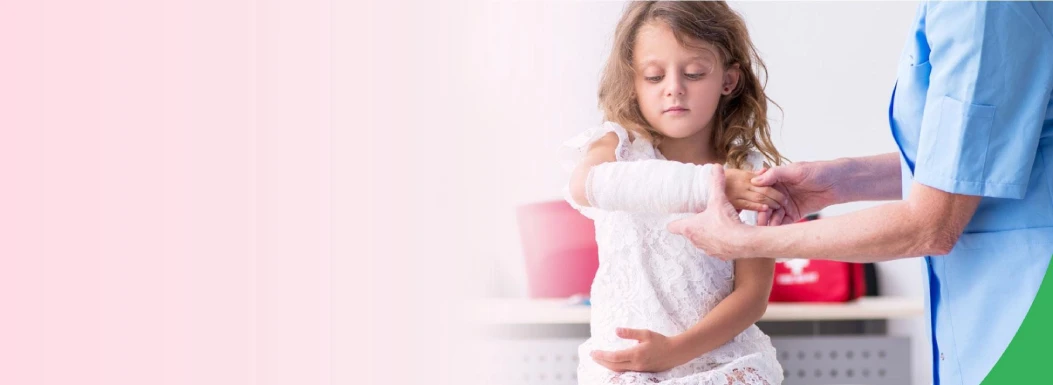
Specialized Bone and Joint Care for Children
Dedicated Orthopedic Care for Growing Children
Pediatric orthopedics focuses on diagnosing and treating bone, joint, and musculoskeletal conditions that affect infants, children, and adolescents. Because children's bones are still growing, orthopedic problems in young patients require specialized evaluation and treatment approaches. Early identification of musculoskeletal issues helps ensure proper bone development and prevents long-term complications that could affect mobility.
At Ravi Ortho & Multispecialty Clinic, children receive comprehensive orthopedic care under the guidance of Dr. J. R. Aakash Kannauh, MBBS., MS Ortho, DNB Ortho, an experienced orthopaedician in Perambur, who treats various musculoskeletal conditions in both adults and children. Families searching for pediatric orthopedics in Perambur often visit the clinic for concerns such as limb deformities, growth-related bone problems, fractures, or joint pain in children. The goal of treatment is to support healthy bone growth while helping children remain active and comfortable during daily activities.
Key aspects of pediatric orthopedic care
- Evaluation of bone and joint development in children
- Diagnosis of congenital and growth-related conditions
- Treatment of fractures and sports injuries in children
- Guidance for proper bone growth and alignment
- Rehabilitation support to restore mobility
Signs Your Child May Need a Bone and Joint Specialist
Children may experience bone and joint problems that differ from those seen in adults because their skeletons are still developing. Parents may notice signs such as difficulty walking, unusual limb positioning, persistent joint pain, or swelling around bones. While some issues may resolve naturally during growth, others require evaluation by a specialist.
Consulting the best paediatric orthopaedic doctor in Perambur allows early identification of orthopedic conditions that could affect a child's development. Early assessment helps determine whether the issue is related to growth patterns, injury, or congenital abnormalities, ensuring that appropriate care can begin promptly.
Common warning signs in children
- Persistent bone or joint pain
- Limping or difficulty walking
- Uneven leg length or abnormal posture
- Swelling around joints or bones
- Delayed motor development in infants
Common Causes of Bone and Joint Problems in Children
Orthopedic problems in children may arise from several factors, including congenital conditions, injuries, or growth-related changes in bones and joints. Some children are born with structural differences in their bones, while others may develop orthopedic issues during rapid growth phases.
Parents often seek care at an orthopedic clinic in Perambur when their child experiences recurring joint pain or difficulty participating in physical activities. Understanding the underlying cause of these problems helps doctors recommend appropriate treatment that supports normal growth and development.
Common causes of pediatric orthopedic conditions
- Congenital bone or joint abnormalities
- Growth plate injuries in active children
- Sports-related fractures or ligament injuries
- Developmental conditions affecting hips or legs
- Postural issues during rapid growth
When Should Parents Consult a Pediatric Orthopedic Specialist?
Many childhood bone conditions can improve with growth, but certain symptoms should always be evaluated by a specialist. Persistent pain, abnormal walking patterns, or visible deformities may indicate underlying orthopedic conditions that require medical attention.
Parents who notice such symptoms may consult an orthopedic in Perambur for a thorough examination. Early consultation ensures that conditions affecting bone growth are identified and managed before they become more complex.
Situations requiring specialist evaluation
- A child frequently complaining of bone or joint pain
- Difficulty standing, walking, or running normally
- Noticeable deformity in arms or legs
- Recurring fractures or injuries during activities
- Abnormal spine posture in growing children
Conditions Treated in Pediatric Orthopedics
Pediatric orthopedic specialists manage a wide range of conditions affecting the bones, joints, and muscles of children. Some conditions are present at birth, while others develop during growth or after injuries. Proper diagnosis helps determine whether treatment should involve observation, therapy, or surgical intervention.
Families seeking pediatric orthopedic surgery in Perambur often consult specialists for conditions that require precise correction to support healthy development. Treatment planning focuses on improving bone alignment, relieving pain, and ensuring that the child can grow and move normally.
Common pediatric orthopedic conditions
- Developmental hip disorders in infants
- Limb deformities such as bow legs or knock knees
- Pediatric fractures and sports injuries
- Spine conditions such as scoliosis
- Growth plate injuries affecting bone development
Bone and Joint Problems Present at Birth
Some children are born with musculoskeletal conditions that affect the alignment or development of bones and joints. These conditions are known as congenital orthopedic disorders and may involve the hips, feet, spine, or limbs. Early medical evaluation helps identify these conditions so that treatment can begin during the early stages of growth, when correction is often easier and more effective.
Parents who notice unusual limb positioning or movement patterns in infants may consider consulting the best paediatric orthopaedic doctor in Perambur for evaluation. Specialists assess the child's bone structure, joint mobility, and overall growth patterns to determine whether treatment or monitoring is required.
Common congenital orthopedic conditions
- Developmental hip dysplasia in infants
- Clubfoot affects foot alignment
- Limb length differences at birth
- Congenital deformities of arms or legs
- Abnormal spine curvature in early childhood
Pediatric Fracture Treatment
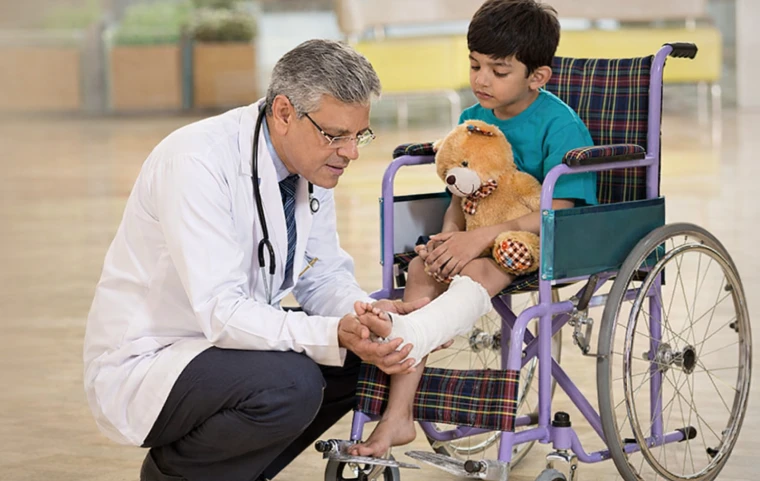
Children frequently experience fractures due to falls, sports activities, or accidental injuries during play. Because children's bones are still developing, fractures often occur at growth plates, which are areas responsible for bone growth. These injuries require careful treatment to ensure that the bone heals properly without affecting future growth.
Patients seeking pediatric orthopedic surgery in Perambur for fractures receive specialized care designed for growing bones. Treatment may include immobilization, casting, or surgical stabilization, depending on the severity and location of the fracture.
Important aspects of fracture treatment
- Accurate diagnosis using imaging tests
- Stabilization of the affected bone
- Monitoring of growth plate healing
- Follow-up care to ensure proper bone alignment
- Gradual return to physical activities
Pediatric Sports Injury Management
Children who participate in sports or physical activities may occasionally experience orthopedic injuries. These injuries can involve bones, ligaments, tendons, or joints and may occur due to overuse or sudden trauma. Early evaluation helps prevent minor injuries from becoming long-term problems.
Consulting an orthopedic in Perambur, Chennai, allows young athletes to receive proper assessment and treatment. Sports injury care focuses on reducing pain, restoring joint function, and helping children safely return to their activities.
Common sports-related orthopedic injuries
- Ligament sprains in knees or ankles
- Growth plate injuries in active children
- Muscle or tendon strains during sports
- Stress fractures from repetitive activity
- Joint pain caused by overuse
Limb Deformity Correction in Children
Some children develop alignment issues in their legs as they grow, such as bow legs or knock knees. While mild variations may improve naturally with growth, more pronounced deformities may require medical attention to ensure proper posture and balance.
Children visiting a specialist for pediatric orthopedics in Perambur receive evaluation to determine whether the condition is part of normal growth or requires treatment. Early correction helps support healthy development and prevents long-term joint problems.
Examples of limb alignment problems
- Bow legs affecting lower limb alignment
- Knock knees, causing inward knee positioning
- Uneven leg length during growth
- Abnormal walking patterns due to alignment issues
- Structural differences affecting posture
Spine Conditions in Growing Children
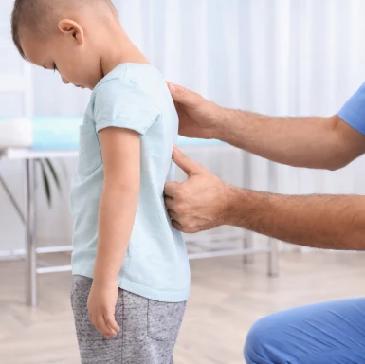
Spinal conditions can develop during childhood or adolescence as the body grows rapidly. One of the most common conditions is scoliosis, which involves abnormal curvature of the spine. Early detection allows doctors to monitor the condition and recommend appropriate treatment to prevent progression.
Families seeking evaluation for spinal concerns often consult specialists experienced in pediatric orthopedic surgery in Perambur. Treatment may involve monitoring, physiotherapy, supportive braces, or surgical intervention when necessary to maintain proper spinal alignment.
Common pediatric spine conditions
- Scoliosis, causing sideways curvature of the spine
- Kyphosis leading to excessive upper-back curvature
- Postural spine problems during growth
- Congenital spine abnormalities
- Back pain associated with spinal imbalance
How Orthopedic Surgery Is Performed
Pediatric orthopedic surgery is sometimes required when bone or joint problems in children cannot be corrected with non-surgical treatments such as braces, physiotherapy, or medication. Because children's bones are still growing, surgical procedures are carefully planned to protect growth plates and maintain normal bone development. Before recommending surgery, doctors perform detailed examinations and imaging tests to understand the exact condition affecting the child.
During surgery, the orthopedic surgeon focuses on correcting the bone or joint problem while preserving surrounding tissues. Modern pediatric orthopedic procedures are designed to be precise and minimally invasive whenever possible. Children undergoing pediatric orthopedic surgery in Perambur receive treatment aimed at improving bone alignment, reducing pain, and helping them regain normal movement as they grow.
Important aspects of pediatric orthopedic surgery
- Careful evaluation of the child's bone growth and development
- Surgical correction of bone or joint alignment
- Protection of growth plates during the procedure
- Use of modern surgical techniques for safety
- Monitoring after surgery to support recovery
Preparing a Child for Orthopedic Surgery
Preparing a child for surgery requires both medical and emotional support. Before the procedure, doctors explain the treatment plan to parents and ensure that the child is medically ready for surgery. This preparation may include blood tests, imaging studies, and a review of the child's medical history. The goal is to ensure that the procedure can be performed safely.
Parents are also guided on how to help their child feel comfortable and prepared for the hospital visit. Clear communication helps reduce anxiety and allows families to understand what to expect during the treatment process. Families visiting an orthopaedician in Perambur Chennai for pediatric orthopedic surgery receive guidance on each step of the preparation process.
Key preparation steps before surgery
- Medical evaluation and diagnostic testing
- Review of the child's medical history
- Discussion of the surgical plan with parents
- Guidance on pre-surgery diet and medications
- Preparing the child emotionally for the procedure
Recovery After Pediatric Orthopedic Surgery
Recovery after pediatric orthopedic surgery depends on the type of procedure performed and the child's overall health. During the early recovery phase, doctors monitor the healing process and ensure that the surgical site is stable. Pain management and proper wound care are important to support healing and keep the child comfortable.
As healing progresses, children gradually return to their normal daily activities. Doctors provide clear instructions on movement, physical activity, and follow-up visits. Children treated by the best paediatric orthopaedic doctor in Perambur receive continuous monitoring to ensure that bones heal correctly and growth continues normally.
Factors that influence recovery
- Type of orthopedic surgery performed
- Age and overall health of the child
- Proper follow-up care after surgery
- Compliance with activity restrictions
- Support from parents during recovery
Possible Risks and How Doctors Manage Them
Every surgical procedure carries certain risks, but pediatric orthopedic surgeries are performed with strict safety protocols to reduce complications. Before surgery, doctors conduct thorough medical evaluations to identify any potential risks. These assessments help ensure that the child receives safe and appropriate treatment.
After the procedure, children are monitored closely to detect any signs of infection, delayed healing, or discomfort. Parents receive clear instructions about medications, wound care, and follow-up appointments. Patients treated at an orthopedic clinic in Perambur benefit from careful monitoring and professional care during the recovery period.
Safety measures during treatment
- Detailed health evaluation before surgery
- Use of sterile surgical techniques
- Continuous monitoring during recovery
- Guidance for parents on post-surgical care
- Regular follow-up visits to track healing
Rehabilitation After Pediatric Orthopedic Treatment
Rehabilitation is an important part of recovery after many orthopedic treatments in children. Once the bone or joint begins healing, guided exercises help restore strength, flexibility, and normal movement. Physiotherapy programs are designed according to the child's age, type of injury, and treatment received.
Children receiving care for pediatric orthopedics in Perambur are often guided through structured rehabilitation programs. These exercises help children regain confidence in movement and safely return to daily activities such as walking, playing, and participating in school sports.
Key parts of pediatric rehabilitation
- Gentle exercises to improve joint movement
- Strength-building activities for muscles
- Balance and coordination training
- Monitoring progress during recovery
- Guidance for parents on home exercises
Preventing Bone and Joint Problems in Children
While some orthopedic conditions occur naturally during growth, many bone and joint problems can be prevented with proper care. Encouraging healthy physical activity, maintaining good posture, and ensuring proper nutrition can support strong bone development in children.
Parents visiting an orthopaedician in Perambur Chennai often receive advice on maintaining their child's musculoskeletal health. Early attention to minor symptoms such as persistent pain or limping can prevent more serious orthopedic issues later.
Helpful ways to support bone health
- Encourage regular physical activity suitable for age
- Provide a balanced diet rich in calcium and nutrients
- Ensure proper posture during study and play
- Use protective gear during sports activities
- Seek medical advice if symptoms persist
Common Pediatric Orthopedic Symptoms and Treatment Overview
| Symptom | Possible Condition | Treatment Approach |
|---|---|---|
| Limping while walking | Growth-related joint issue | Medical evaluation and physiotherapy |
| Persistent joint pain | Pediatric sports injury | Rest, therapy, or stabilization |
| Uneven leg length | Limb alignment condition | Monitoring or corrective treatment |
| Curved spine | Scoliosis | Bracing, therapy, or surgery |
| Swelling after injury | Bone fracture | Casting or surgical repair |
This overview helps parents searching for pediatric orthopedics in Perambur understand how symptoms in children may relate to orthopedic conditions and possible treatments.
Supporting Healthy Growth and Movement in Children
Healthy bones and joints are essential for a child's growth and development. Early diagnosis of orthopedic conditions allows doctors to guide treatment while the child's bones are still developing. With proper care, many children recover well and continue to grow with strong and stable bones.
At Ravi Ortho & Multispecialty Clinic, children receive specialized orthopedic care under the guidance of Dr. J. R. Aakash Kannauh, MBBS., MS Ortho, DNB Ortho. The clinic focuses on accurate diagnosis, effective treatment, and long-term monitoring for families seeking pediatric orthopedic care in Perambur.
If your child experiences persistent joint pain, difficulty walking, or bone injuries, early medical evaluation can help ensure proper treatment and healthy growth.
Contact Ravi Ortho & Multispecialty Clinic to schedule a consultation for pediatric orthopedics in Perambur.
Frequently Asked Questions About Pediatric Orthopedics
What conditions are treated in pediatric orthopedics?
Pediatric orthopedics focuses on bone and joint conditions affecting infants, children, and teenagers. These may include fractures, limb deformities, developmental hip problems, spinal conditions such as scoliosis, and sports-related injuries.
When should I take my child to a pediatric orthopedic doctor?
Parents should consider consulting a specialist if a child has persistent joint pain, limping, difficulty walking, visible limb deformities, or repeated fractures. Early evaluation helps identify conditions that may affect bone growth.
Are fractures in children different from fractures in adults?
Yes. Children's bones are still growing and contain growth plates, which are areas responsible for bone development. Because of this, fractures in children require special care to ensure that the bone heals properly without affecting growth.
Can children recover fully after orthopedic treatment?
Many children recover very well after treatment when proper medical care and rehabilitation are followed. Physiotherapy and regular follow-up visits help ensure that bones heal correctly and movement returns to normal.
What doctor should I consult for bone problems in children?
Parents should consult an experienced best paediatric orthopaedic doctor in Perambur or an orthopedic specialist who focuses on children's musculoskeletal conditions.

