Sports & Ligament Injury Care at Ravi Ortho & Multispecialty Clinic
Sports injuries and ligament damage commonly occur during physical activities, athletic training, or sudden movements that place excessive stress on joints and muscles. These injuries may affect ligaments, tendons, muscles, and joints, often leading to pain, swelling, instability, and limited mobility. Early medical evaluation is essential to accurately diagnose the injury and provide appropriate treatment that supports safe recovery.
At Ravi Ortho & Multispecialty Clinic, comprehensive care is provided for athletes and individuals experiencing sports-related injuries. Treatment focuses on restoring joint stability, reducing pain, and improving movement through targeted medical care and rehabilitation. Whether the injury involves ligament strain, muscle damage, or joint instability, proper management helps patients return to physical activity safely and prevent long-term complications.
The following sections explain the common types of sports and ligament injuries, their symptoms, and the treatment approaches used to restore joint strength and mobility.
Ligament Injury Treatment in Perambur
Ligaments are strong connective tissues that stabilize joints by connecting bones to one another. Sudden twisting movements, falls, or high-impact sports activities can stretch or tear these ligaments, leading to joint instability and pain. Ligament injuries are commonly seen in the knee, ankle, and shoulder joints.
Early diagnosis helps determine the severity of ligament damage and the appropriate treatment plan. Mild ligament injuries may be treated with rest, immobilization, and physiotherapy, while severe tears may require specialized orthopaedic care to restore joint stability.
Treatment approach includes
- Diagnosis of ligament strain or tear
- Stabilization of the affected joint
- Pain and swelling management
- Rehabilitation exercises for joint strength
- Monitoring recovery and mobility
Knee Ligament Injury Care in Perambur
The knee joint contains several important ligaments that maintain stability during walking, running, and jumping activities. Sports such as football, cricket, and basketball can sometimes cause ligament injuries due to sudden direction changes or impact.
Patients with knee ligament injuries may experience swelling, pain, joint instability, and difficulty bearing weight. Proper medical evaluation helps determine the extent of ligament damage and guides treatment for restoring knee function.
Knee ligament injury care includes
- Assessment of knee stability and ligament integrity
- Treatment for ligament strain or tear
- Pain and inflammation control
- Supportive bracing for joint stabilization
- Rehabilitation programs to restore movement
Muscle Strain and Sports Injury Treatment in Perambur
Muscle strains are common sports injuries that occur when muscle fibers are overstretched or torn during physical activity. These injuries often affect athletes involved in running, jumping, or sudden movements. Symptoms may include localized pain, swelling, and reduced muscle strength.
Treatment focuses on relieving pain, reducing inflammation, and allowing the injured muscle to heal properly. Early care and rehabilitation help prevent re-injury and support safe return to sports activities.
Treatment approach includes
- Evaluation of muscle strain and tissue injury
- Pain relief and inflammation management
- Rest and gradual recovery exercises
- Strengthening programs for injured muscles
- Monitoring safe return to sports activity
Joint Sprain Treatment in Perambur
Joint sprains occur when ligaments supporting a joint are stretched beyond their normal range. These injuries commonly affect the ankle, knee, and wrist joints during sports activities or sudden falls. Symptoms may include swelling, bruising, pain, and limited joint movement.
Early treatment helps prevent long-term joint instability and supports proper healing of the injured ligament. Stabilization, rest, and rehabilitation exercises are essential components of recovery.
Sprain treatment includes
- Diagnosis of ligament sprain and joint injury
- Stabilization of the affected joint
- Pain and swelling control
- Rehabilitation exercises for joint strength
- Monitoring recovery progress
Sports Injury Rehabilitation in Perambur
Rehabilitation is a key component of recovery after a sports injury. Structured physiotherapy programs help restore muscle strength, joint flexibility, and coordination after injury. Proper rehabilitation also reduces the risk of future injuries by improving stability and movement patterns.
Patients are guided through gradual strengthening exercises and mobility training to ensure safe return to sports activities. Rehabilitation programs are tailored to the type of injury and the patient's physical activity level.
Rehabilitation care includes
- Physiotherapy for strength and flexibility
- Joint mobility improvement exercises
- Gradual return-to-sport training
- Injury prevention guidance
- Long-term monitoring of recovery
ACL Tear Treatment in Perambur
The anterior cruciate ligament (ACL) is one of the major ligaments that stabilizes the knee joint. ACL injuries commonly occur during sports activities that involve sudden stops, jumping, or rapid direction changes such as football, basketball, or running. Patients with an ACL tear may experience a popping sensation in the knee, swelling, instability, and difficulty bearing weight.
Proper medical evaluation helps determine the severity of the ligament injury and the most appropriate treatment plan. Early treatment focuses on reducing swelling, stabilizing the knee joint, and restoring mobility through rehabilitation programs.
ACL injury care includes
- Evaluation of knee ligament stability
- Diagnosis of ligament tears affecting the knee
- Pain and swelling management
- Joint stabilization and protective support
- Rehabilitation exercises to restore knee strength
Meniscus Injury Treatment in Perambur
The meniscus is a cartilage structure in the knee joint that acts as a shock absorber between the thigh bone and shinbone. Meniscus injuries often occur during twisting movements or sudden impact while playing sports. These injuries may cause knee pain, swelling, joint locking, or difficulty bending the knee.
Early diagnosis helps prevent further joint damage and allows proper treatment planning. Conservative treatment methods may include rest, medication, and rehabilitation exercises to improve joint function.
Meniscus injury care includes
- Diagnosis of cartilage injury in the knee joint
- Pain relief and swelling control
- Joint stability assessment
- Rehabilitation exercises for knee function
- Monitoring recovery and mobility improvement
Ankle Ligament Injury Treatment in Perambur
Ankle ligament injuries frequently occur during sports that involve running, jumping, or sudden direction changes. These injuries usually result from the ankle twisting beyond its normal range, leading to ligament stretching or tearing. Patients may experience swelling, bruising, and difficulty walking after the injury.
Prompt treatment helps restore ankle stability and prevent recurrent injuries. Proper rehabilitation plays an important role in strengthening the surrounding muscles and improving joint stability.
Ankle injury care includes
- Evaluation of ankle ligament damage
- Stabilization of the injured ankle joint
- Pain and swelling management
- Rehabilitation exercises for ankle strength
- Guidance for safe return to physical activity
Shoulder Ligament Injury Treatment in Perambur
Shoulder injuries are common in sports that involve throwing, lifting, or repetitive overhead movements. Ligament injuries in the shoulder can cause pain, weakness, and difficulty lifting or rotating the arm. Athletes participating in activities such as cricket, tennis, or weightlifting may experience these types of injuries.
Medical evaluation focuses on identifying ligament strain or joint instability affecting the shoulder. Treatment aims to reduce inflammation, restore joint stability, and improve shoulder movement through targeted rehabilitation.
Shoulder injury care includes
- Assessment of shoulder joint stability
- Treatment for ligament strain or injury
- Pain management and inflammation control
- Rehabilitation exercises for shoulder strength
- Monitoring recovery and movement improvement
Tendon Injury Treatment in Perambur
Tendons are strong connective tissues that attach muscles to bones and help support joint movement. Tendon injuries may occur due to repetitive strain, sudden forceful movement, or overuse during sports activities. These injuries can cause pain, swelling, and reduced strength in the affected area.
Early treatment helps prevent worsening of the injury and supports proper healing of the tendon. Rehabilitation exercises and activity modification are often recommended to restore strength and flexibility.
Tendon injury care includes
- Diagnosis of tendon strain or inflammation
- Pain relief and inflammation management
- Activity modification to protect the tendon
- Strengthening exercises for affected muscles
- Monitoring recovery and preventing re-injury
Common Sports Injuries & Affected Body Parts
| Type of Injury | Affected Area | Common Cause |
|---|---|---|
| ACL Tear | Knee joint | Sudden twisting or rapid direction change |
| Meniscus Injury | Knee cartilage | Knee twisting during sports activity |
| Ankle Ligament Injury | Ankle joint | Rolling or twisting of the ankle |
| Shoulder Ligament Injury | Shoulder joint | Repetitive overhead movement or impact |
| Tendon Injury | Muscles and joints | Overuse or repetitive strain during sports |
Symptoms of Ligament and Sports Injuries
| Symptom | Possible Injury | When to Seek Medical Care |
|---|---|---|
| Sudden joint pain after activity | Ligament sprain or tear | If pain persists or worsens |
| Swelling around the joint | Soft tissue or ligament injury | If swelling does not reduce with rest |
| Joint instability or weakness | Ligament damage | If joint feels unstable during movement |
| Difficulty moving the joint | Cartilage or tendon injury | If movement becomes restricted |
| Bruising around injured area | Muscle or ligament trauma | If symptoms continue for several days |
Sports Injury Treatment Options
| Treatment Method | Purpose | Expected Benefit |
|---|---|---|
| Rest and immobilization | Protect injured joint or ligament | Allows natural healing |
| Physiotherapy rehabilitation | Restore strength and flexibility | Improves joint stability |
| Supportive bracing | Stabilize injured joint | Prevents further injury |
| Medication for inflammation | Reduce swelling and pain | Improves comfort during recovery |
| Advanced orthopaedic care | Treat severe ligament injuries | Restores mobility and function |
Sports Injury vs Ligament Injury – Key Differences
Sports injuries refer to a wide range of physical injuries that occur during physical activity, exercise, or athletic participation. These injuries may involve muscles, bones, ligaments, tendons, or joints. Ligament injuries, on the other hand, specifically affect the connective tissues that stabilize joints by linking bones together. While ligament injuries are a type of sports injury, not all sports injuries involve ligament damage.
Understanding the difference between general sports injuries and ligament injuries helps determine the appropriate treatment approach. Proper diagnosis allows doctors to identify whether the injury affects muscles, cartilage, tendons, or ligaments, and guide patients toward the most effective treatment and rehabilitation plan.
Key differences between sports injuries and ligament injuries
| Aspect | Sports Injury | Ligament Injury |
|---|---|---|
| Definition | Any injury occurring during sports or physical activity | Injury specifically affecting joint ligaments |
| Affected tissues | Muscles, bones, tendons, ligaments, joints | Ligaments connecting bones |
| Common causes | Falls, sudden movements, overuse, impact | Twisting or overstretching of joints |
| Common examples | Muscle strain, tendon injury, fractures | ACL tear, ankle ligament sprain |
| Treatment approach | Depends on type and severity of injury | Focuses on restoring joint stability |
Recovery Time for Common Sports Injuries
Recovery time after a sports injury varies depending on the type of injury, its severity, and the patient's overall health. Minor injuries such as mild muscle strains or ligament sprains may heal within a few weeks, while more complex injuries involving cartilage or ligaments may require a longer recovery period and structured rehabilitation.
Proper treatment, physiotherapy, and gradual return to physical activity play an important role in ensuring complete recovery. Following medical advice and rehabilitation programs helps prevent reinjury and supports safe return to sports activities.
Estimated recovery time for common sports injuries
| Injury Type | Common Cause | Estimated Recovery Time |
|---|---|---|
| Mild muscle strain | Overstretching during activity | 2–3 weeks |
| Ligament sprain | Sudden joint twisting | 3–6 weeks |
| Meniscus injury | Knee twisting or impact | 4–8 weeks |
| Tendon injury | Repetitive strain or overuse | 6–10 weeks |
| ACL ligament injury | Sudden direction change or jump | Several months with rehabilitation |
When Is Urgent Medical Care Needed for Sports Injuries?
Sports injuries should be evaluated by a medical professional as soon as possible when symptoms indicate significant damage to joints, ligaments, muscles, or bones. Immediate medical attention is especially important if an athlete experiences severe pain, rapid swelling, joint instability, inability to bear weight, or a popping sensation during injury. These symptoms may indicate serious conditions such as ligament tears, cartilage damage, fractures, or tendon injuries that require prompt diagnosis and treatment.
Early medical assessment allows accurate identification of the injury and helps prevent further damage to the affected joint or tissue. Timely treatment also ensures that athletes receive proper stabilization, rehabilitation guidance, and recovery planning, which are essential for returning safely to sports activities.
Signs that require urgent sports injury evaluation
- Severe joint pain or swelling after physical activity
- Inability to stand, walk, or move the affected joint
- Sudden instability in the knee, ankle, or shoulder
- Popping sensation during injury
- Numbness or weakness in the injured area
Why Delaying Treatment Can Be Dangerous for an Athlete's Career
Delaying medical treatment for sports injuries can lead to worsening of the injury and long-term complications that may affect athletic performance. Untreated ligament tears, cartilage damage, or tendon injuries can cause chronic pain, joint instability, and reduced mobility. Over time, these problems may increase the risk of repeated injuries and permanent joint damage.
For athletes, early diagnosis and proper rehabilitation are essential for maintaining joint stability, strength, and performance levels. Prompt medical care helps prevent long-term complications and allows athletes to return to training safely. Ignoring or delaying treatment may prolong recovery time and potentially impact an athlete's career and long-term physical health.
Risks of delaying sports injury treatment
- Increased joint instability and weakness
- Higher risk of repeated injuries
- Long-term cartilage or ligament damage
- Prolonged recovery and rehabilitation period
- Reduced athletic performance and mobility
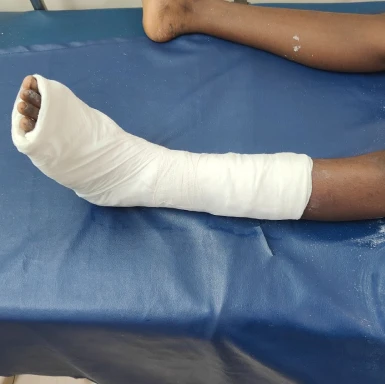
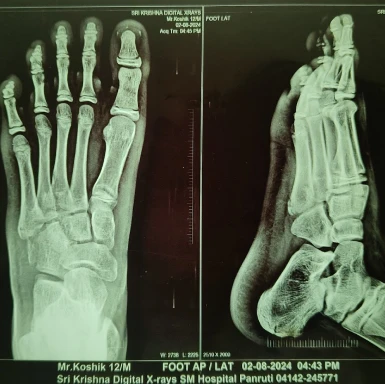
Protect Your Performance and Joint Health
Sports and ligament injuries require timely diagnosis and proper treatment to ensure safe recovery and prevent long-term complications. Early medical care helps restore joint stability, reduce pain, and support effective rehabilitation, allowing athletes and active individuals to return to physical activity with confidence. Proper treatment and guided recovery play an essential role in maintaining strength, mobility, and long-term joint health.
If you experience pain, swelling, or instability after a sports injury, seek professional medical care without delay. Contact Ravi Ortho & Multispecialty Clinic for expert sports injury evaluation and comprehensive ligament injury treatment in Perambur.
Frequently Asked Questions
What are the most common sports injuries?
Common sports injuries include ligament sprains, muscle strains, ACL tears, meniscus injuries, tendon injuries, and ankle or shoulder ligament damage caused by sudden movements or overuse during physical activity.
When should I see a doctor for a sports injury?
You should seek medical attention if you experience severe pain, swelling, joint instability, inability to move the joint, or difficulty bearing weight after an injury.
Can ligament injuries heal without surgery?
Mild ligament injuries can often heal with rest, immobilization, physiotherapy, and rehabilitation. Severe ligament tears may require specialized medical treatment or surgical intervention.
How long does it take to recover from a sports injury?
Recovery time varies depending on the injury. Mild muscle strains may heal within a few weeks, while ligament or cartilage injuries may require several weeks or months of rehabilitation.
How can athletes prevent sports injuries?
Athletes can reduce injury risk by warming up properly, strengthening muscles, maintaining flexibility, using proper sports techniques, and avoiding overtraining.

